How Do You Combat Anti-Intellectualism?
Defending ourselves from the Mano-Sphere begins with understanding how to combat against anti-intellectualism
Struggling to define anti-intellectualism is the first stage of this battle. the definition of anti-intellectualism is more that simply disliking smart people or higher education, but also includes elements of deep mistrust for people the might embody these things. People who dismiss research based arguments for something that feels more practical and true for their experience.
How do you combat Anti-Intellectualism?
Individual conversations surrounding anti-intellectual view points can rarely sway someone away from these thought processes, so combatting anti-intellectualism must be a social change. The process is simple in theory, but difficult in practice.
Introduce social change- Introduce the change you wish to see in the world.
Gain individual support- Gaining support will be the catalyst for igniting a social change.
Become a majority- after supporters multiply and attract new supporters, you are suddenly the majority. This means your social change is being accepted.
What Part of This Process is Deflate the Mano-sphere?
Deflate the Mano-Sphere falls under step two described above. Deflate the Mano-Sphere is a campaign designed specifically to deter young men from joining/adopting Mano-Sphere ideology. The campaign focuses specifically on creating personal responsibility for the viewers to do what they can for this change. The challenge of this campaign is being able to influence this crowd to adopt a negative view point of the Mano-Sphere.

How Did I Do It? What Did I Use?
Information accessability
Being able to inform someone on a complex topic in a short amount of time, whilst remaining credible is a difficult task. Young men typically have some of the shortest attention spans of any adult age group, which adds to the difficulty of this system we are creating. Understanding the information we are needing to get to this group and understanding how we can get this information in a digestible form for this group is the connection we need to determine.


Information avenues
The different avenues of getting this information to these young men is where I started. I broke down many different channels that could be used to get information to these young men and created designed items that would hold their attention.
These avenues can be broken into three categories:
Physical (Interactive)
Physical (Non interactive)
Social
interactive Avenue
These are items that this group will see, and could interact with. Typically things like this are viewed up close, handed to them, shared amongst friends. Many of these items need to be replicated in large numbers, or be viewed by many people.
Noninteractive Avenue
These items need to exist in spaces where this group lives, but not be interactive. They should be fully viewable without being touched at all, for example all information required for understanding should be present at all times this item is in view. These times can be few off, or less common than interactive items.
Social Avenue
These items are used to promote the social change that the campaign stands for. Often these are digital, but not always. These items are used to spread knowledge more than non interactive items, but be more up to date than printed interactive items. Social items need to be impactful at more than one level, informative on initial quick viewing, as well as when being viewed more in depth.
Billboards
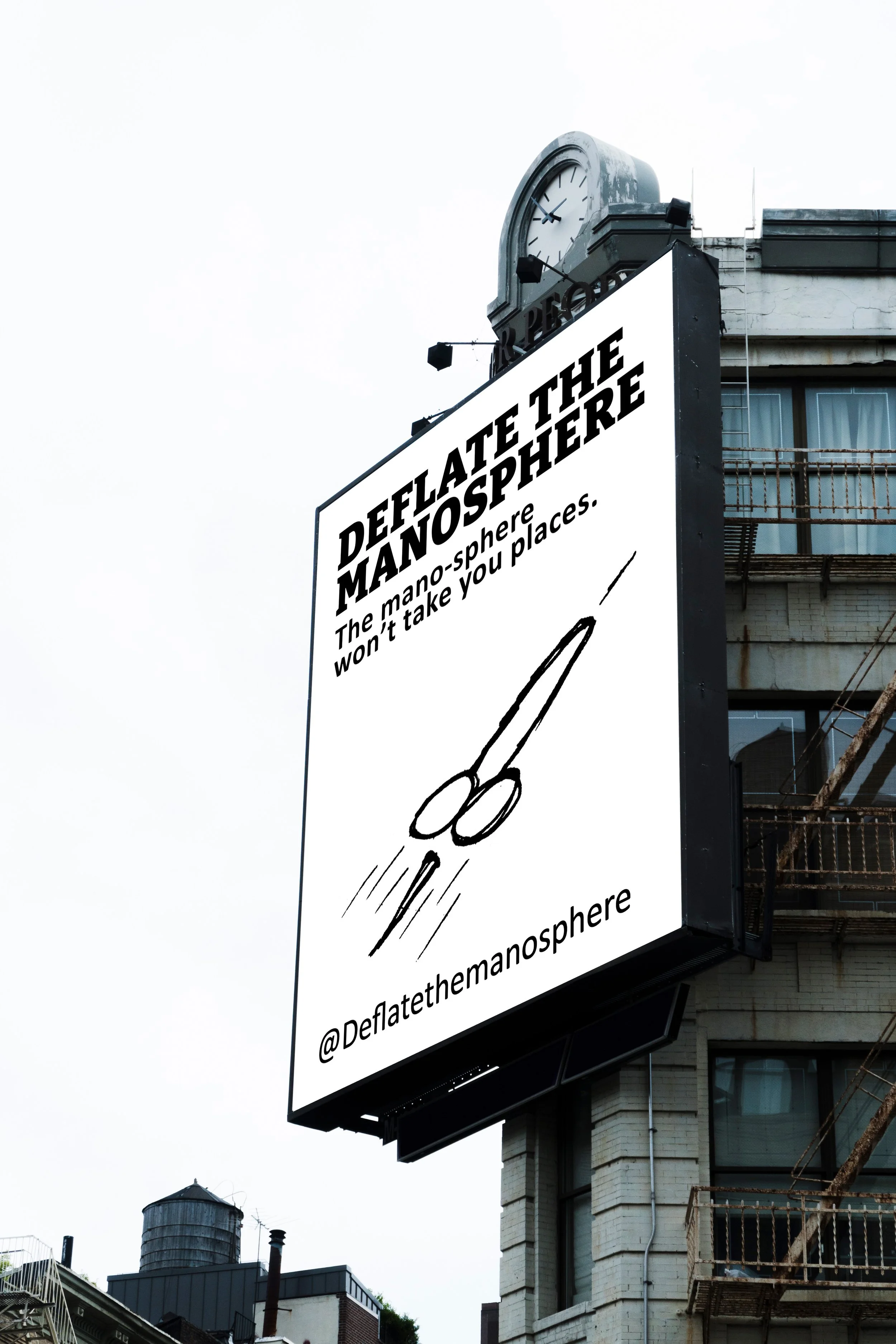
The classic roadside billboard is a very effective item in this campaign, a large and powerful structure being used to communicate an idea is almost unparalleled in the physical world. The issue with billboards is people don’t typically have very long to view them.
The strategy behind the billboard designs is to grab the viewer’s attention with a bold image and phrase, then point them in a direction to learn more.
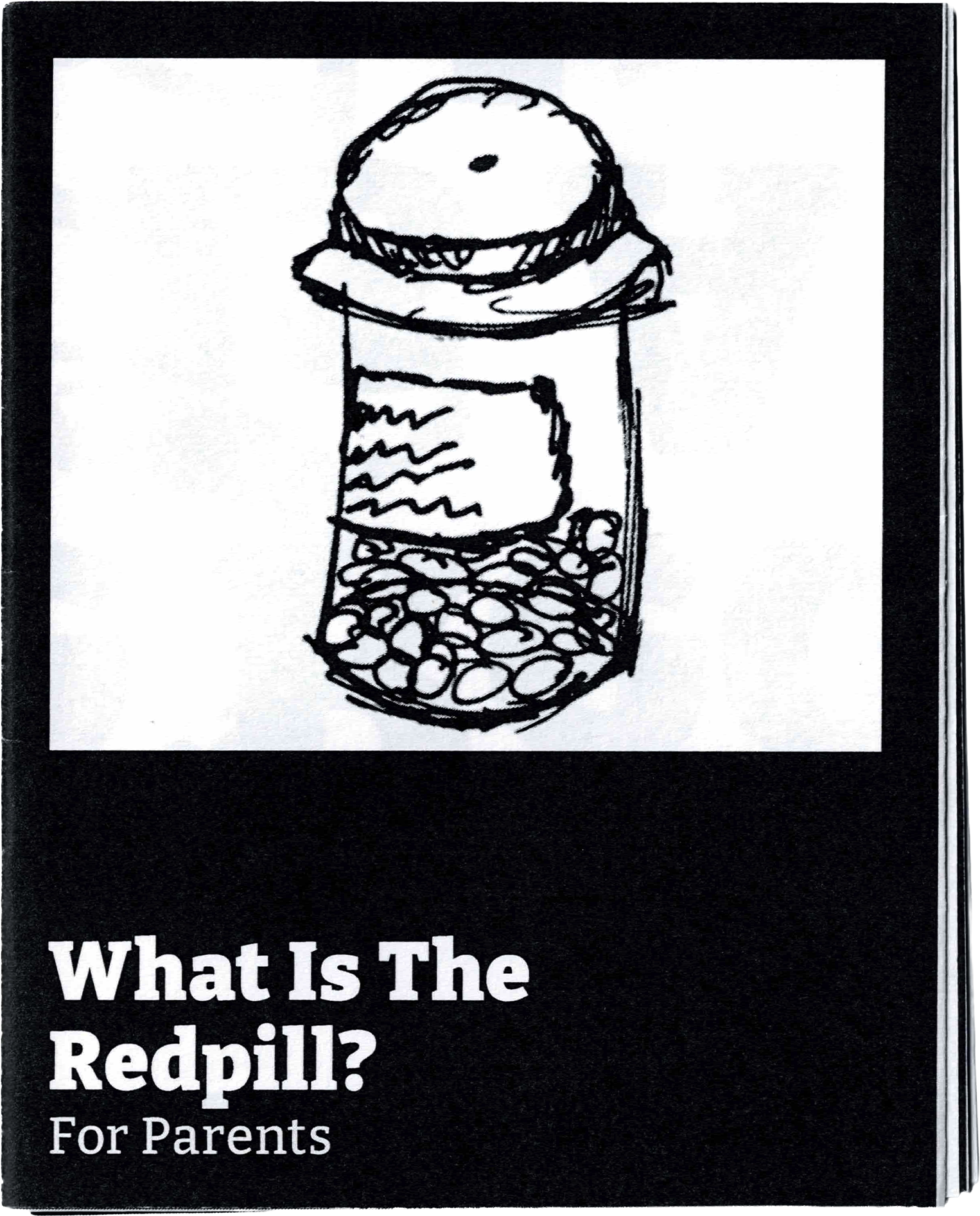
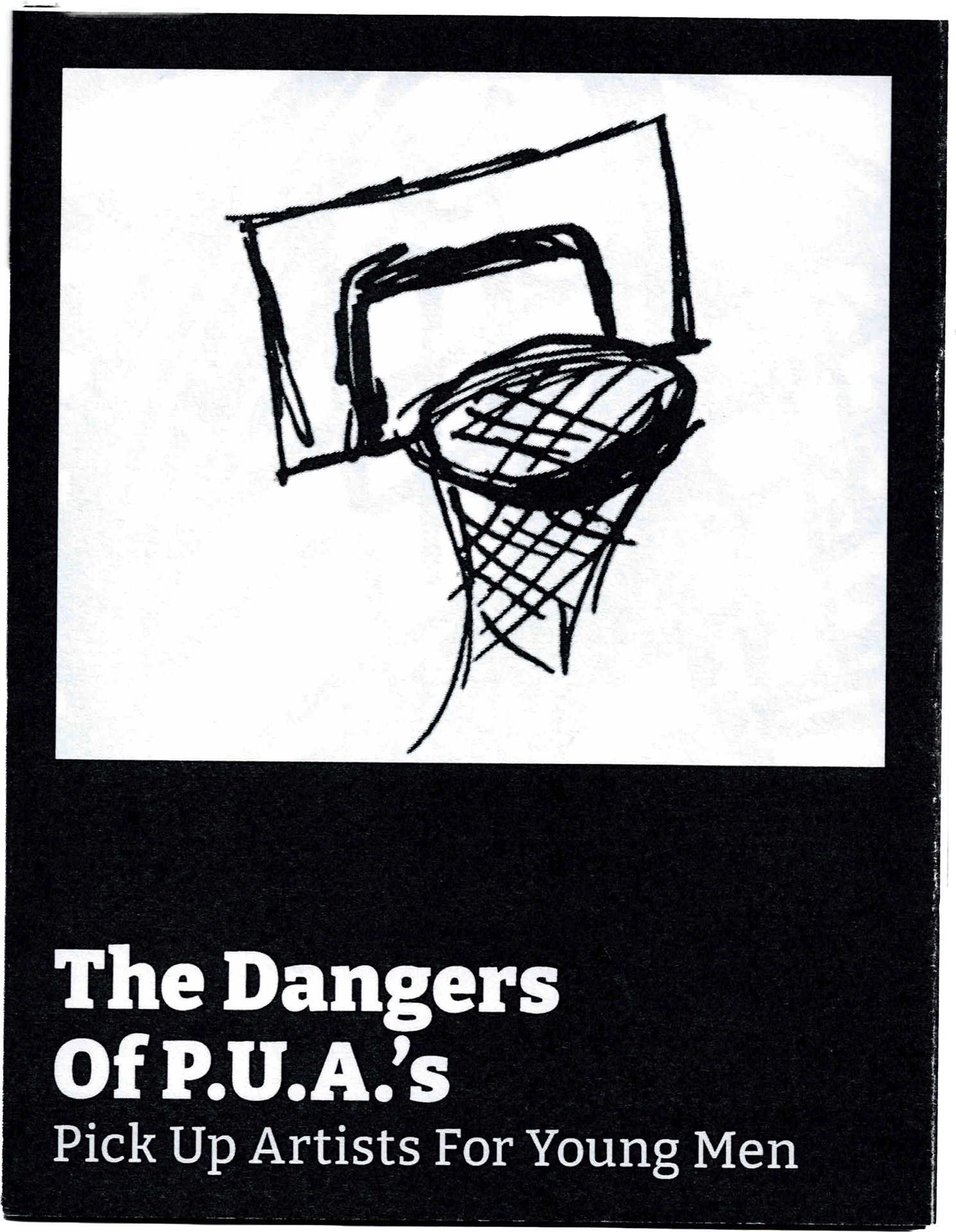
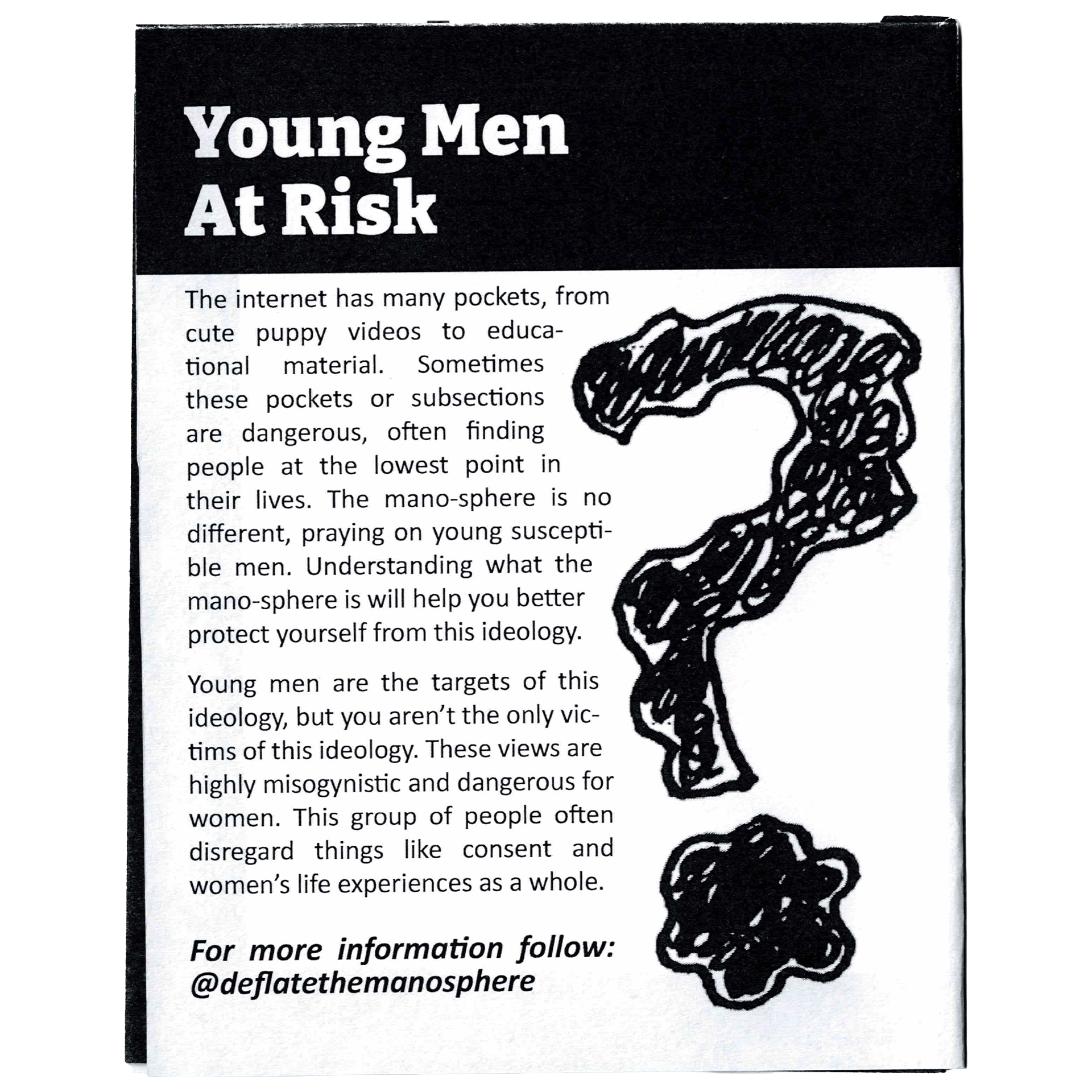
Informational one page Zines
The informational one page zine provides double duty for this campaign. Providing specific in depth information in a portable and cheap format, while also presenting the viewer with a choice about supporting the campaign built into the design.
The Zine itself has specific information about a certain topic, citing quoting a peer reviewed article to help maintain credibility. this can be viewed at the viewer’s own discretion.
On the back of each zine there is a poster that the viewer can decide to ignore, or post. The post of the poster can be the beginning of publicly supporting the campaign, or a reminder of what they read about in the zine.
illustrations
The notebook doodle illustration style of this campaign is intentionally juvenile. Bringing up these complex topics can bring up a lot of different reactions, so in order to diffuse this situations we take assets and references to these topics and turn them into playful and simple illustrations. This has two major benefits; they’re eye catching and goofy.